

 English
 français
 Deutsch
 русский
 español
 português
 العربية
 ไทย
 Indonesia


Explore the feminine wipes market trends shaping 2026, from changing consumer preferences and gentle formulations to bamboo-derived fibers, flushable materials, and packaging innovation.
Industry Insights / Personal CareFeminine Wipes Market Trends in 2026: What's Driving Growing Demand?
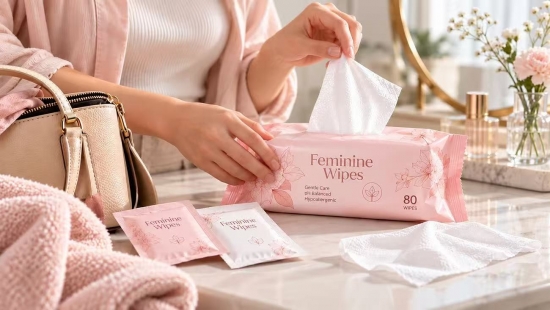
The feminine hygiene market is evolving. Once largely associated with occasional freshness and on-the-go convenience, feminine wipes are becoming a more specialized category within personal care.
Today's consumers are paying closer attention to what goes into their personal care products. Ingredients, skin comfort, packaging convenience, and environmental impact are increasingly influencing purchasing decisions.
For brands and manufacturers, these changing expectations are creating new opportunities to rethink how feminine hygiene wipes are developed and positioned.
So, what is driving the market forward in 2026, and which trends are likely to influence the next generation of feminine wipes?
A Growing Market for Feminine Hygiene Wipes
The global feminine wipes market is showing steady growth as personal care awareness increases and consumers seek convenient hygiene solutions for different lifestyles.
According to Grand View Research, the global feminine wipes market is estimated at USD 1.9 billion in 2026 and is projected to reach USD 3.1 billion by 2033.
2026
2033
2026-2033
Source: Grand View Research, Feminine Wipes Market Report. Figures are estimates and forecasts.
Several factors are contributing to this outlook, including wider retail availability, the expansion of online shopping, and growing interest in specialized personal care products.
However, market growth is not just about selling more wipes. The category itself is becoming more diverse, with products developed around different preferences, ingredients, and usage occasions.
Convenience Is Reshaping Everyday Personal Care
Modern lifestyles are one of the key reasons behind the continuing demand for feminine hygiene wipes.
Whether traveling, spending long hours outside the home, or moving between work and recreational activities, consumers often value products that are easy to carry and convenient to use.
Feminine wipes fit naturally into this preference for portable personal care. Individually wrapped wipes, in particular, provide a compact option for occasional external cleansing when washing facilities are not readily available.
This focus on convenience is also influencing packaging design. Brands are exploring smaller packs, travel-friendly formats, and packaging that fits easily into handbags and personal care kits.
Convenience is no longer just a product feature. It is becoming an important part of how personal care products are designed.
Feminine wipes are intended for external use and are optional personal care products. Routine vulvar care generally involves gentle washing. Reference: ACOG.
A Greater Focus on Gentle Formulations
Ingredient selection has become an increasingly important part of the personal care purchasing experience.
Consumers are showing greater interest in transparent ingredient information and products developed with skin comfort in mind.
This is particularly relevant to feminine wipes, where formulation and material choices can strongly influence the overall experience.
Fragrance-free options, alcohol-free formulations, and carefully selected cleansing ingredients are among the product characteristics receiving more attention.
The conversation around feminine wipes is also shifting away from simply emphasizing fragrance and freshness.
More brands are exploring product positioning centered on gentle cleansing, ingredient transparency, and thoughtful formulation development.
Botanical extracts, moisturizing ingredients, and pH-conscious formulation design may also be considered depending on the product's intended positioning.
As consumers become more familiar with ingredient labels, the ability to communicate a product's formulation clearly may become an increasingly valuable competitive advantage.
Formulation suitability depends on the complete ingredient system and appropriate testing. Claims such as "hypoallergenic" or "dermatologically tested" require supporting evidence.
Bamboo Fiber and Flushable Materials Are Gaining Attention
Plant-based materials are becoming an increasingly important consideration in feminine wipes development.
Bamboo-derived fibers are valued for their soft texture and suitability for gentle personal care products. They offer brands an option for developing feminine wipes with a comfortable feel and a plant-based material story.
Meanwhile, specially developed wood pulp-based flushable materials offer another option for brands looking to create convenient feminine hygiene wipes.
These material choices allow brands to develop products with different features while responding to changing consumer preferences.
Beyond fiber selection, fabric softness, absorbency, and wipe strength remain important considerations when developing a finished product.
Different combinations of materials, wipe sizes, and packaging formats can be explored through feminine care wipes product specifications.
Growing Demand for More Sustainable Feminine Wipes
Sustainability continues to influence material selection in the feminine wipes market.
Bamboo-derived fibers and wood pulp-based materials are among the options brands are exploring to reduce reliance on conventional plastic-based fabrics.
Depending on their complete composition, certain plant-based materials may offer plastic-free or biodegradable alternatives to conventional wet wipe substrates.
At the same time, flushable feminine wipes are creating opportunities for product differentiation, particularly when developed using materials that meet applicable flushability requirements.
Regulatory developments are also influencing the market. In England, restrictions on the sale and supply of certain single-use wet wipes containing plastic are scheduled to take effect on May 19, 2027.
For feminine care brands, choosing suitable materials is becoming an important part of product development and market positioning.
Looking ahead, plant-based materials, plastic-free options, and properly tested flushable products are likely to remain important areas of feminine wipes innovation.
Plant-based, biodegradable, plastic-free, and flushable are different claims. Flushability depends on the finished product's performance and appropriate testing. Regulatory reference: UK Government Guidance.
Packaging Is Adapting to Different Lifestyles
Packaging has always played an important role in wet wipes, but its influence extends far beyond appearance.
The way a product is packaged affects portability, storage, moisture retention, and convenience during use.
As feminine wipes become more diversified, packaging formats are evolving to suit different consumer preferences.

Single Sachets
Individually sealed wipes designed for convenient carrying and occasional use outside the home.
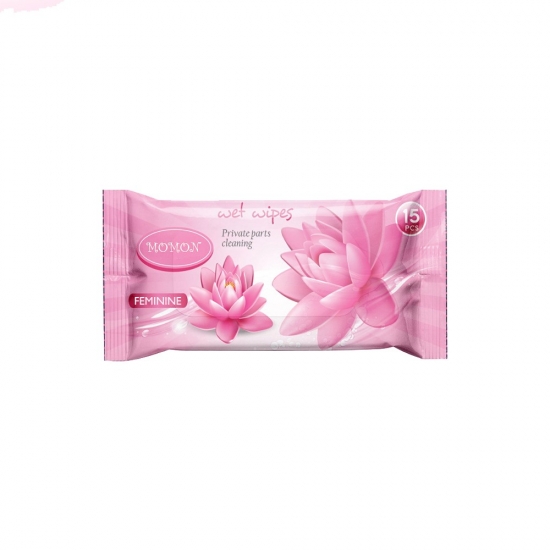
Mini Pack - 15 Wipes
Compact multi-wipe packaging suitable for travel bags and portable personal care kits.

Multi-Count Pack - 20 Wipes
Resealable soft-pack packaging designed for convenient storage and repeated use.
Packaging differences also reflect how brands are approaching the market. A travel-focused feminine wipe may prioritize compact dimensions, while another product may emphasize package convenience and moisture retention.
Instead of relying on a single universal format, brands can develop different packaging options for specific retail channels and usage occasions.
What Do These Trends Mean for the Future of Feminine Wipes?
The feminine wipes market is moving toward greater product specialization.
Convenience continues to support demand, but it is no longer the only factor shaping product development.
Ingredient preferences, bamboo-derived fibers, flushable materials, environmental considerations, and packaging formats are creating more opportunities for differentiation.
This broader shift is also visible across other personal care wipes, where product designs are increasingly adapted to specific consumer needs and usage occasions.
For established feminine care brands, these trends may provide opportunities to expand existing product lines.
For emerging brands, they offer a clearer understanding of where product innovation can create value, whether through a distinctive formulation, a different wipe material, or a more practical packaging format.
The next stage of competition may be less about introducing more products and more about developing products that better reflect consumer expectations.
Looking Ahead
The feminine wipes market in 2026 reflects a wider transformation in personal care.
Consumers are paying greater attention to the products they use, from ingredients and materials to packaging convenience and environmental impact.
While convenience remains a fundamental advantage, the continued development of gentle formulations, bamboo-derived fibers, flushable materials, and practical packaging is helping the category become more diverse.
For brands exploring opportunities in this market, understanding these preferences will be an important starting point for future product development.

 IPv6 ネットワーク対応